Kitchen and Laundry Extraction Systems Cleaning

Professional Extraction System Cleaning Services

NFPA #96 compliant cleaning services to prevent fire hazards in commercial and industrial kitchen and laundry extraction systems

Commercial and Industrial Kitchens use sophisticated extractions systems to vent smoke, odors and steam away from the cooking area and ensure odors do not migrate to restaurants or adjacent non cooking areas. These systems accumulate large amounts of grease, oil and smoke residue. Consequently these systems require regular inspection and cleaning in compliance with local and international regulations in order to avoid the high probability of fire.

A similar fire hazard is the lint and other dry flammable dust which gets accumulated in the ducts of the laundry extraction system. A major fire hazard noticed is when the kitchen extraction ducts are joined with the tandoor/oven with wood/charcoal fired extraction ducts. The live embers fly and settle on the grease in the ducts. This is certainly a sure recipe for fires.

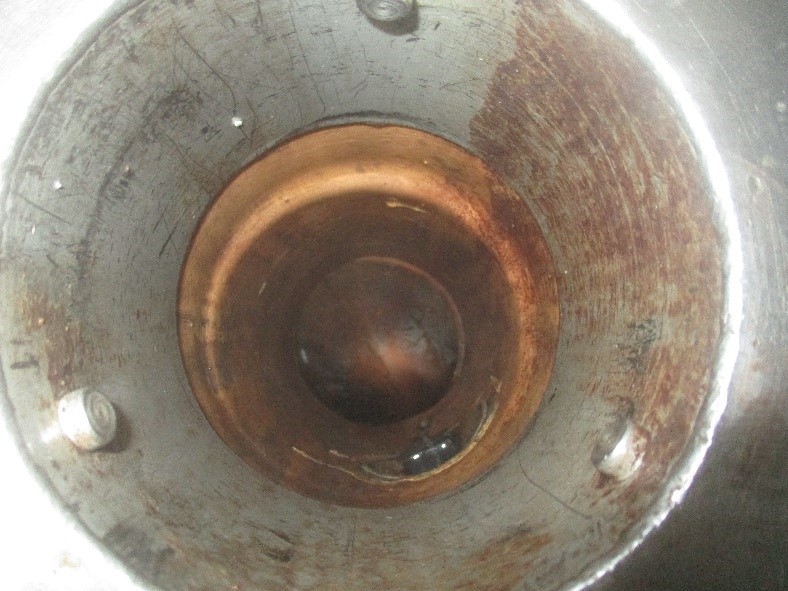
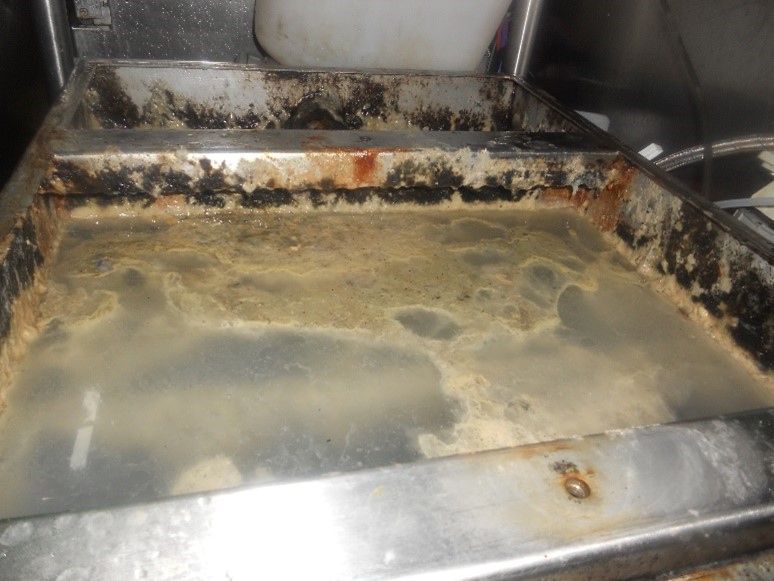
Muscat EPSCO LLC cleans all types and sizes of Laundry and Kitchen Extraction systems to the American Standard NFPA#96 (National Fire Protection Association) 1998 edition - Standard for Ventilation Control and Fire Protection of Commercial Cooking Operations.
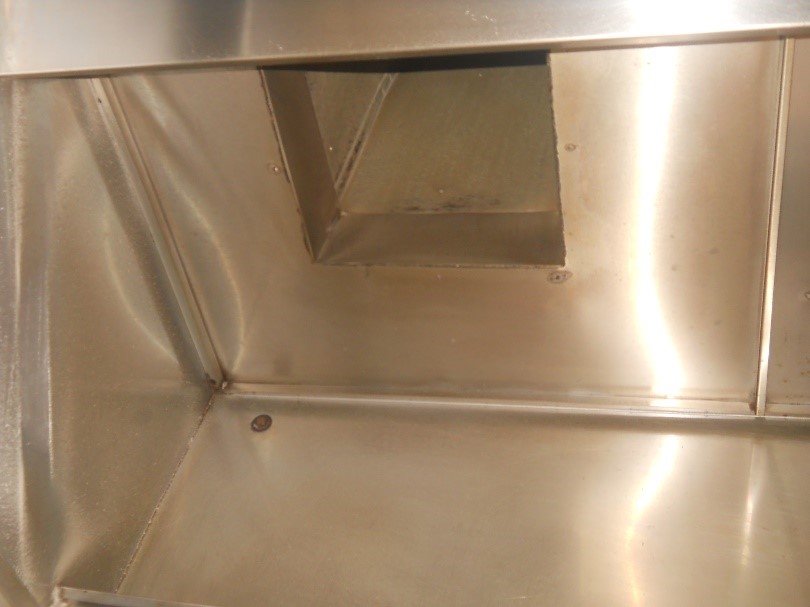
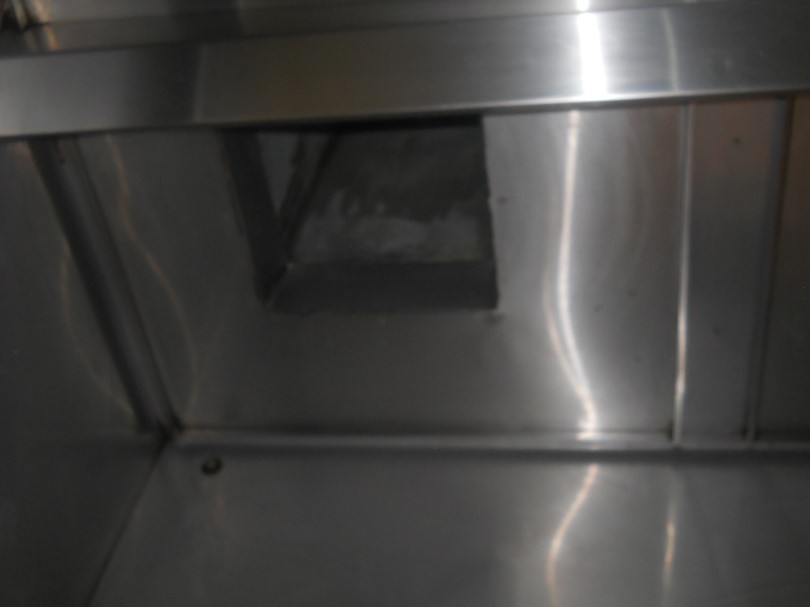
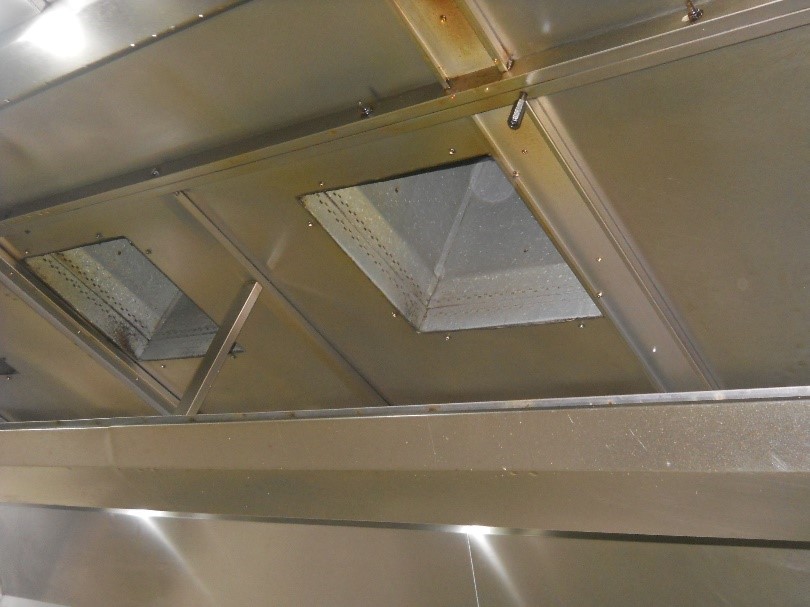
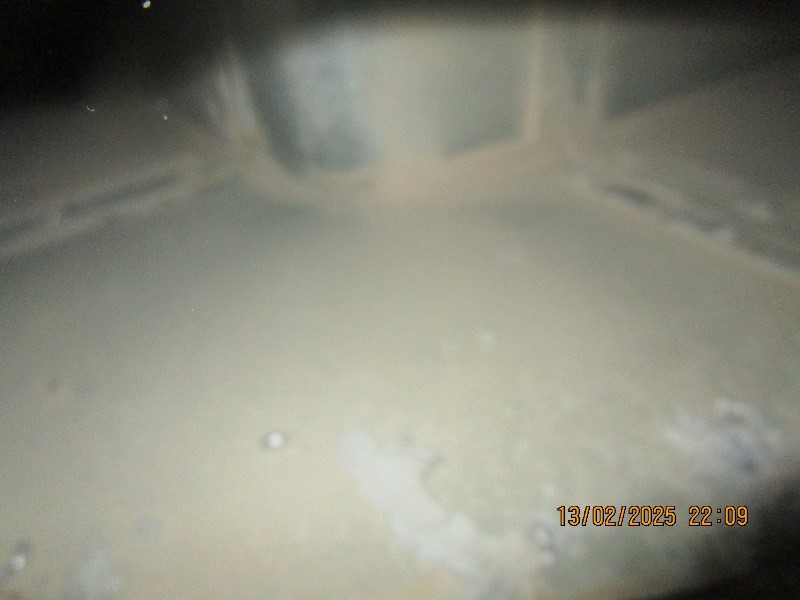
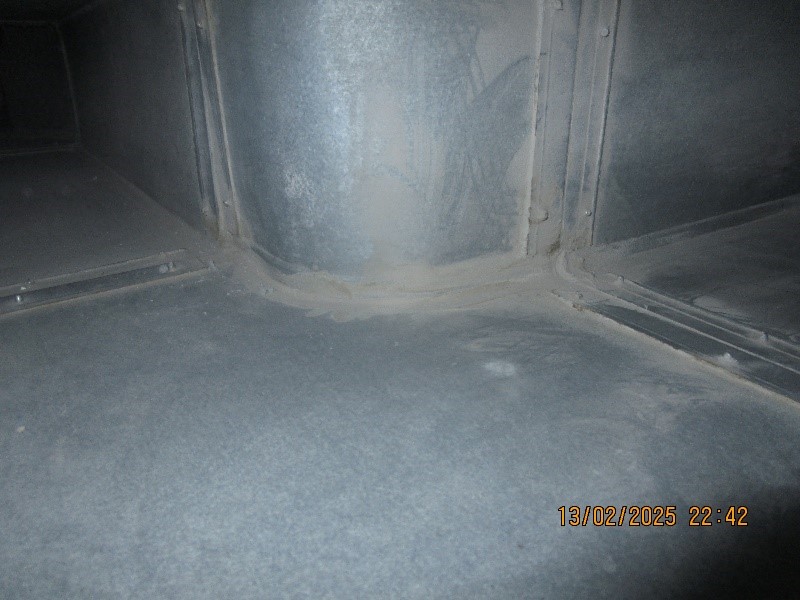
Kitchen Duct Before Cleaning Kitchen Duct After Cleaning
BEFORE AFTER
Kitchen Duct Cleaning - Example 1

Professional grease removal and sanitization

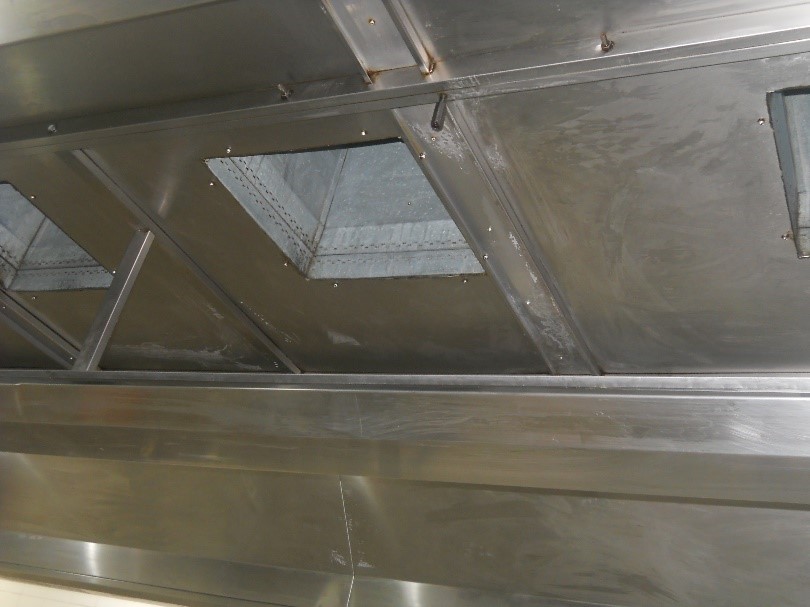
Kitchen Duct Before Cleaning Kitchen Duct After Cleaning
BEFORE AFTER
Kitchen Duct Cleaning - Example 2

Complete extraction system restoration

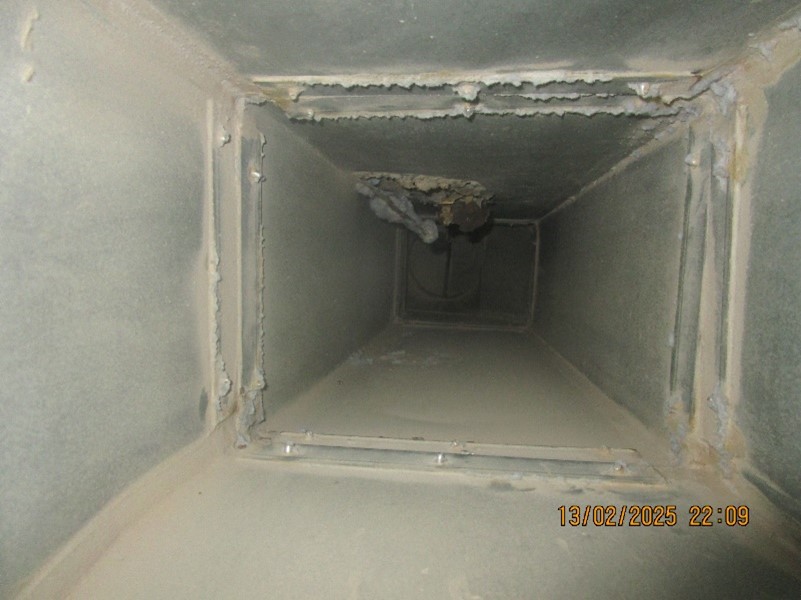
Laundry Duct Before Cleaning Laundry Duct After Cleaning
BEFORE AFTER
Laundry Duct Cleaning - Example 1

Lint and debris removal for fire safety

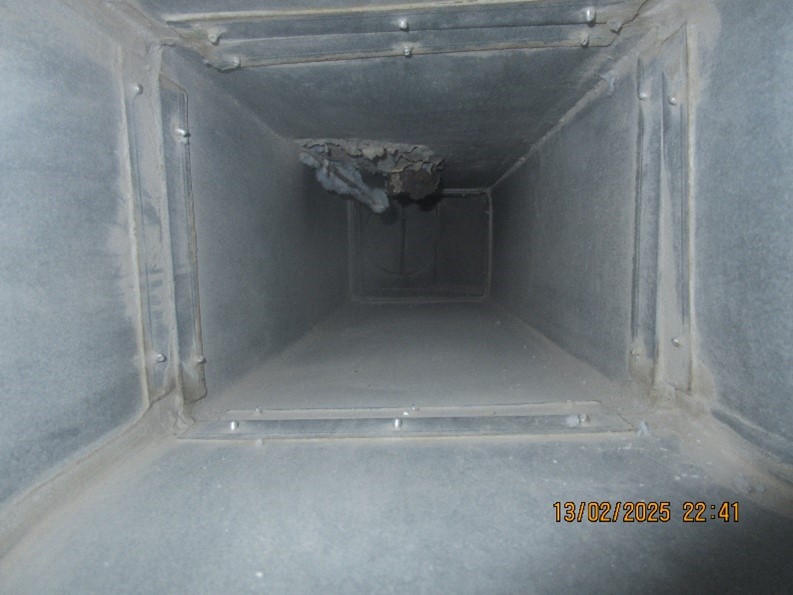
Laundry Duct Before Cleaning Laundry Duct After Cleaning
BEFORE AFTER
Laundry Duct Cleaning - Example 2

Complete system cleaning and maintenance

Our Extraction Cleaning Services

Kitchen Extraction Cleaning

Complete cleaning of kitchen extraction systems to remove grease, oil, and smoke residue preventing fire hazards.

Laundry Extraction Cleaning

Removal of lint and flammable dust from laundry extraction ducts to prevent fire risks.

NFPA #96 Compliance

All systems cleaned to bare metal following NFPA #96 1998 edition standards for fire protection.

Regular Inspection

Professional inspection by trained, qualified, and certified personnel in accordance with NFPA standards.

Fire Hazard Prevention

Regular cleaning prevents accumulation of flammable materials that could lead to dangerous fires.

Complete System Cleaning

Hoods, grease removal devices, fans, ducts, and all appurtenances cleaned to bare metal.

NFPA #96 Standard

All cleaning services follow NFPA #96 1998 edition - Standard for Ventilation Control and Fire Protection.

Certified Personnel

Services performed by properly trained, qualified, and certified company personnel acceptable to authorities.

Scheduled Maintenance

Regular cleaning schedules based on cooking volume and type to prevent fire hazards.
Cleaning Schedule (NFPA #96)

Solid Fuel Cooking: Monthly
High Volume (24hr/charbroiling): Quarterly
Moderate Volume: Semi-annually
Low Volume: Annually

Boiler Flu Cleaning

Professional Boiler System Cleaning

Regular cleaning of boiler flues and chimneys to prevent fire hazards from accumulated soot and flammable dust

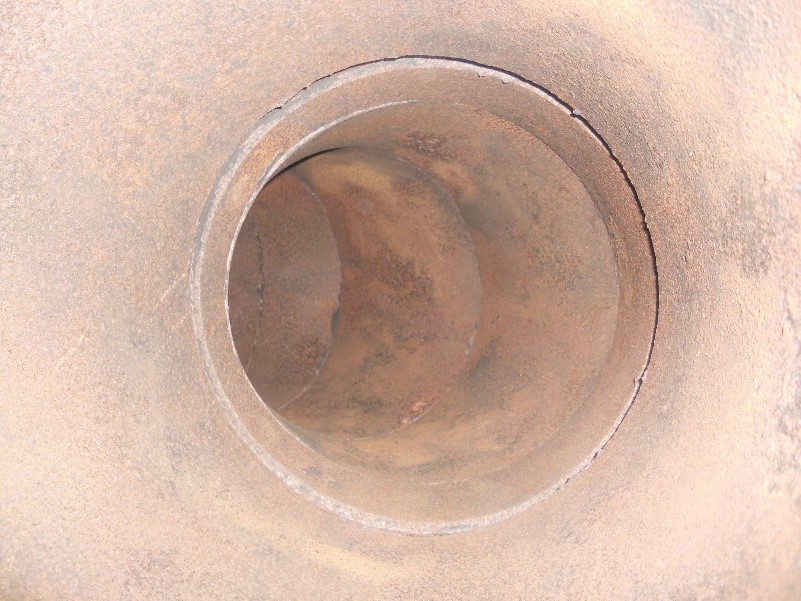
A major similar fire hazard is the soot and other dry flammable dust which gets accumulated in the flus or chimneys of the boiler extraction system.

To prevent the hazard of these fires these systems need to cleaned on a regular basis. These are cleaned Muscat EPSCO LLC on a regular basis to ensure safety and optimal performance.

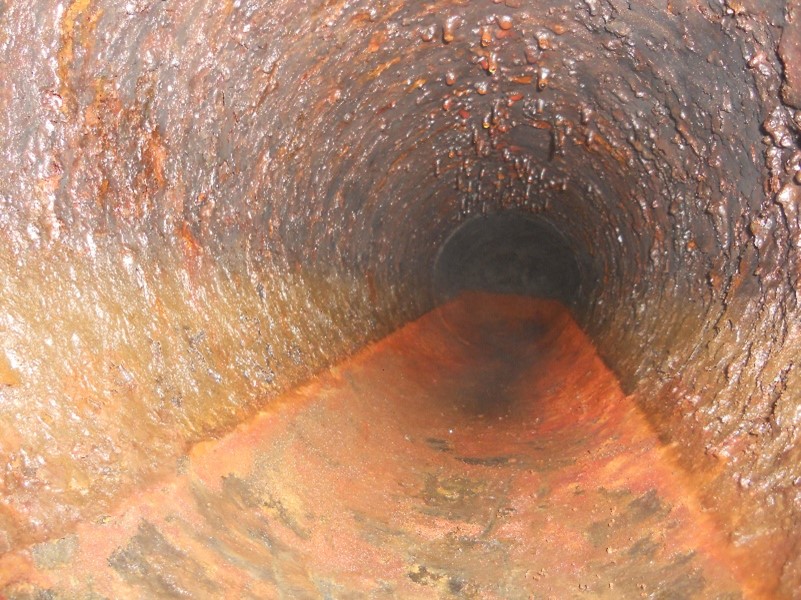
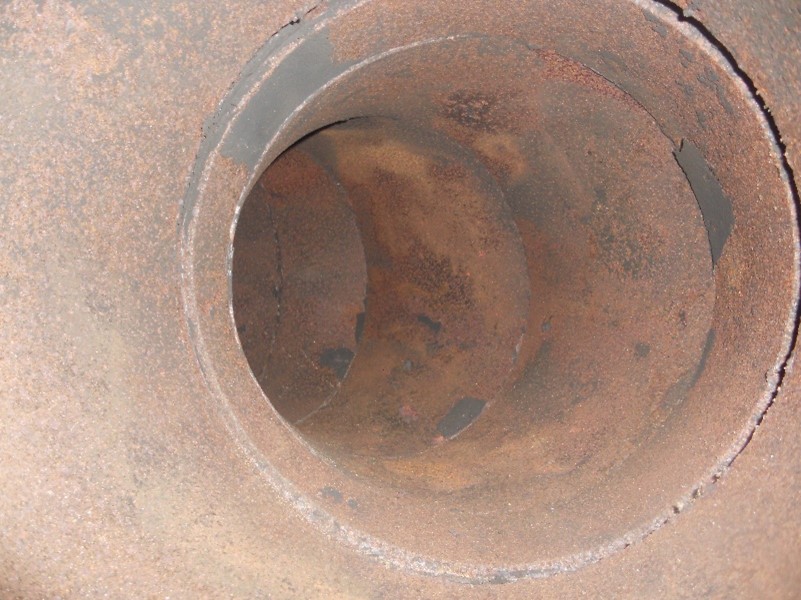
Boiler Flu Before Cleaning Boiler Flu After Cleaning
BEFORE AFTER
Boiler Flu Cleaning - Example 1

Soot and debris removal for safety

Boiler Flu Before Cleaning Boiler Flu After Cleaning
BEFORE AFTER
Boiler Flu Cleaning - Example 2

Complete chimney system restoration

Boiler Flu Cleaning Services

Soot Removal

Complete removal of accumulated soot from boiler flues and chimneys to prevent fire hazards.
Flammable Dust Removal

Thorough cleaning of dry flammable dust particles from extraction systems for safety.

Regular Maintenance

Scheduled regular cleaning services to maintain system safety and prevent fire risks.

Fire Hazard Prevention

Regular cleaning prevents accumulation of soot and flammable materials that could lead to dangerous fires.

Complete System Cleaning

Thorough cleaning of flues, chimneys, and all boiler extraction system components.

Professional Service

Expert cleaning services by Muscat EPSCO LLC to ensure optimal system performance and safety.

Why Regular Cleaning?

Prevents Fire Hazards
Removes Soot Accumulation
Eliminates Flammable Dust
Maintains System Efficiency

Drain Line & Grease Trap Cleaning

Professional Drain System Maintenance

High-pressure water jetting and video inspection services to prevent blockages and flooding in drain systems

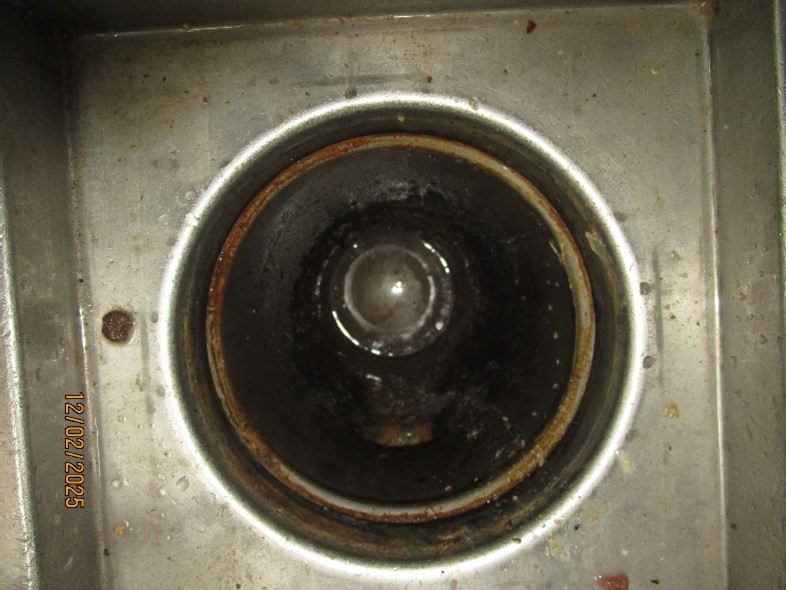
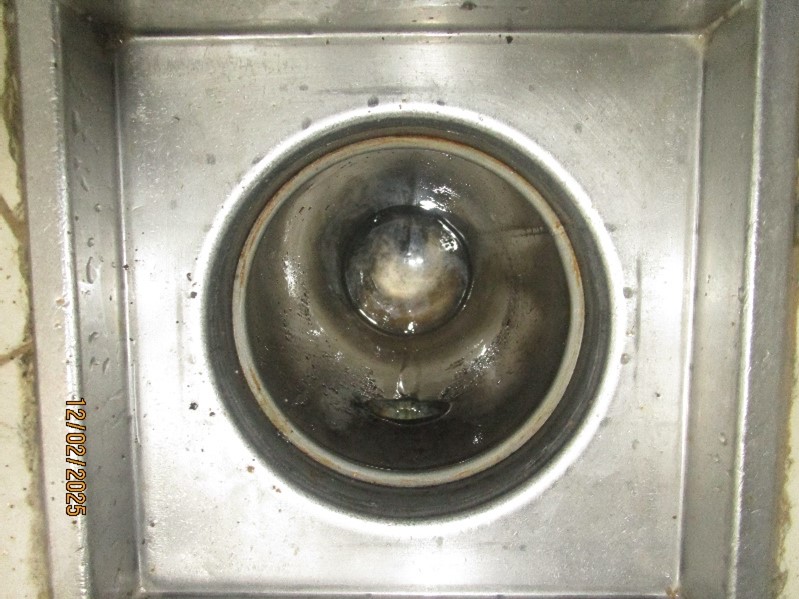
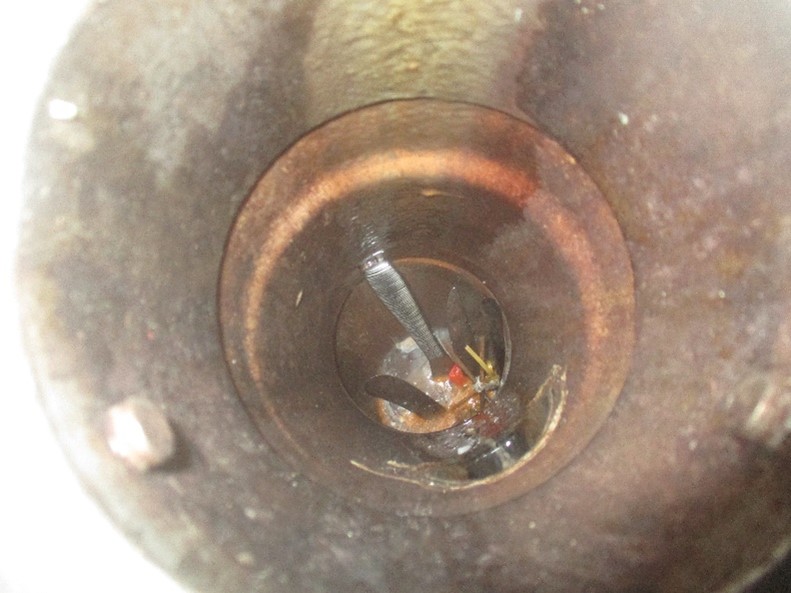
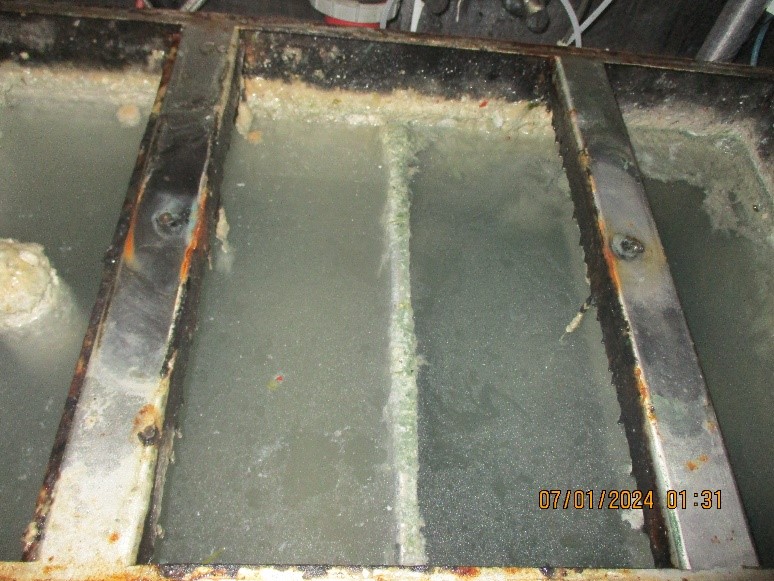
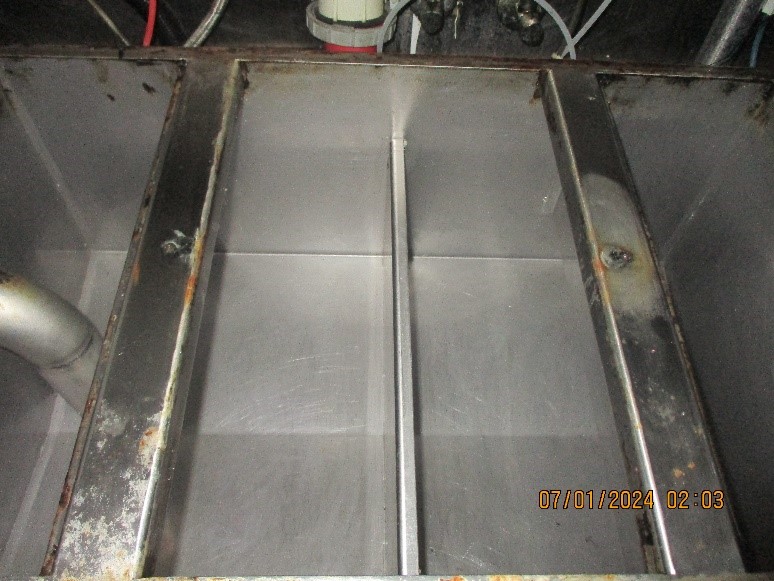
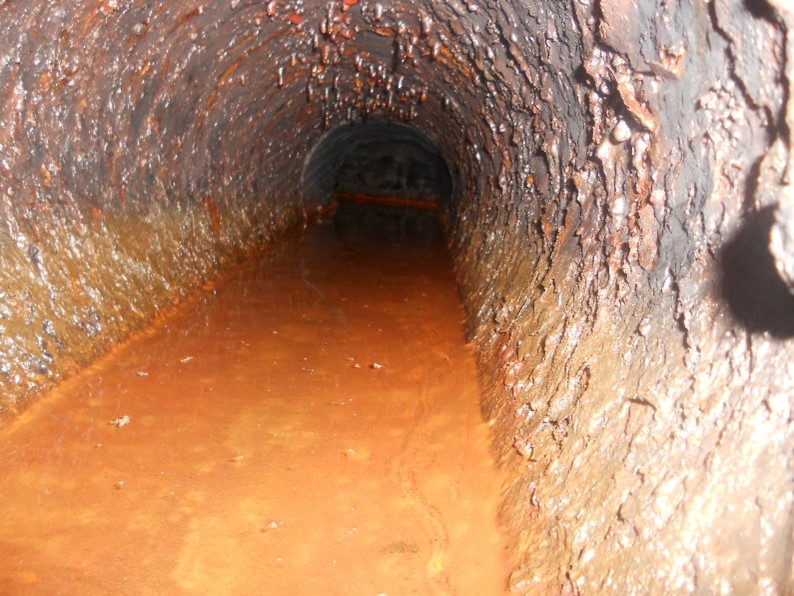
Every type of drain line is susceptible to blockages which, if not kept clear, could result in potentially hazardous and serious flooding. Video Inspection and cleaning of drain lines is very important so that all grease traps, the associated pipelines, and filters are inspected and cleaned regularly in order to prevent major disasters from occurring.

We clean the drain lines of all the blockages using high pressure water jetting machine (working Pressure 245 bar / 3500 psi, Maximum flow rate : 72 litres/min) and a variety of special nozzles including the rotary cutter nozzle to cut the roots if seen during the inspections. We will then inspect the drain lines after cleaning using a boro-scope and will record the results on videotape.

Muscat EPSCO LLC locates, inspects, unblocks and cleans all types and sizes of pipelines.

Drain Line Before Cleaning Drain Line After Cleaning
BEFORE AFTER
Drain Line Cleaning - Example 1

High-pressure water jetting and root removal

Drain Line Before Cleaning Drain Line After Cleaning
BEFORE AFTER
Drain Line Cleaning - Example 2

Complete pipeline inspection and restoration

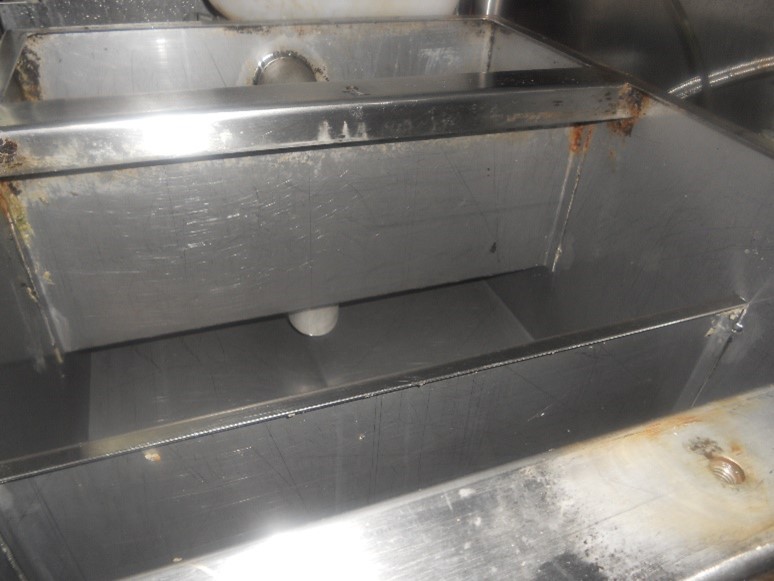
Grease Trap Before Cleaning Grease Trap After Cleaning
BEFORE AFTER
Grease Trap Cleaning - Example 1

Grease and oil removal for optimal performance

Grease Trap Before Cleaning Grease Trap After Cleaning
BEFORE AFTER
Grease Trap Cleaning - Example 2

Complete trap system maintenance

Our Drain Cleaning Services

Drain Line Cleaning

High-pressure water jetting (245 bar / 3500 psi) to remove all blockages and restore proper drainage flow.

Grease Trap Cleaning

Complete cleaning of grease traps, associated pipelines, and filters to prevent blockages and flooding.

Video Inspection

Boro-scope inspection and video recording to identify issues and verify cleaning results.

Root Removal

Special rotary cutter nozzles to cut and remove tree roots that may block drain lines.

High-Pressure Jetting

Maximum flow rate of 72 litres/min with specialized nozzles for effective cleaning.

Pipeline Location

Professional location, inspection, unblocking, and cleaning of all types and sizes of pipelines.

High-Pressure Equipment

Working pressure of 245 bar / 3500 psi with maximum flow rate of 72 litres/min for effective cleaning.

Video Documentation

Boro-scope inspection and video recording of cleaning results for verification and documentation.

Flood Prevention

Regular inspection and cleaning prevents blockages that could lead to hazardous flooding.

Service Capabilities

Drain Line Cleaning
Grease Trap Cleaning
Video Inspection
Root Removal
Pipeline Unblocking

Hazardous Material Storage Tanks Cleaning

Professional Hazardous Material Storage Tanks Cleaning & Decontamination

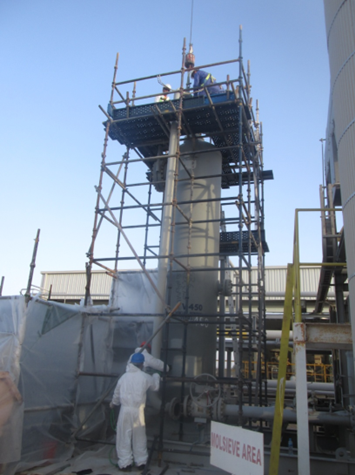
We clean Tanks of all shapes, sizes and dimensions whether they are Oil storage tanks with Crude Oil, Light Oils like Furnace Oil, Gas Oil or Condensate tanks. Or whether they Vessels used as Molecular Sieves or Gas Separators (Mercury for Gas plants). Or whether it comes to handling, packing, repacking for transport or whether they are IBC's that need to decontaminated before cutting for disposal.

Not only do we clean/decontaminate tanks, We are cross trained on numerous Safety, Environmental rules and regulations understand the complexities' involved in the project and this assists us in formulating a clear and precise plan to safely execute the project s in time every time.

Mercury Tank Cleaning Procedure - Step by Step Process

01
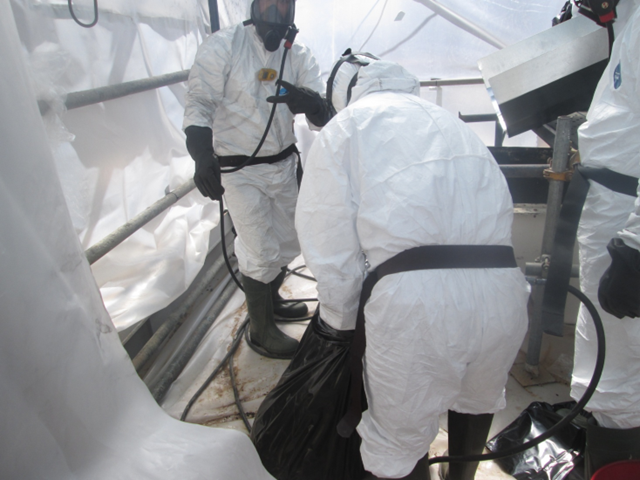
Temperature Regulated Area and Decontamination Chamber Setup
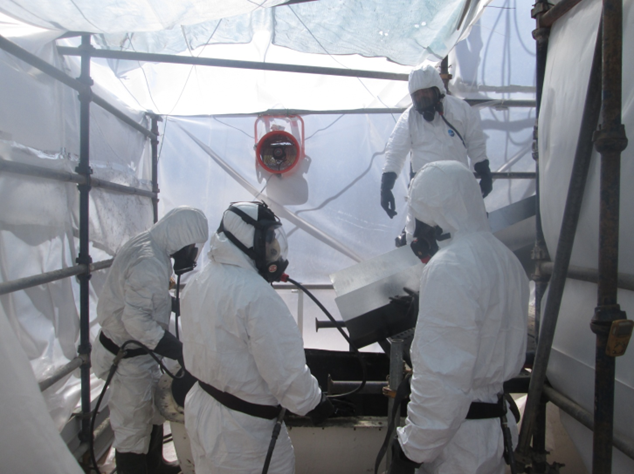
Setup Temperature Regulated Area

Establishing temperature-regulated area and decontamination chamber for safe operations

02
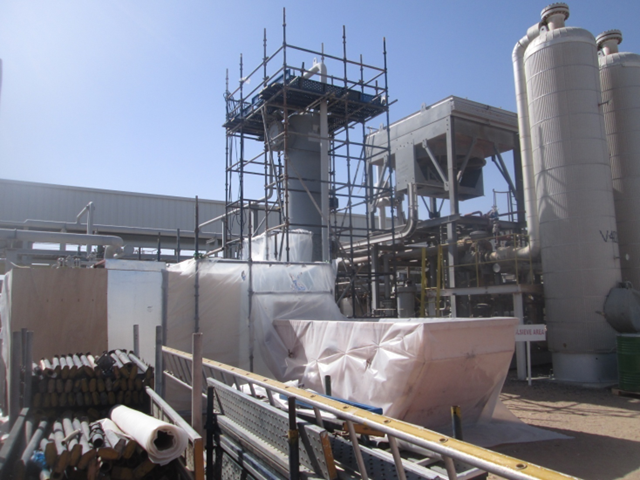
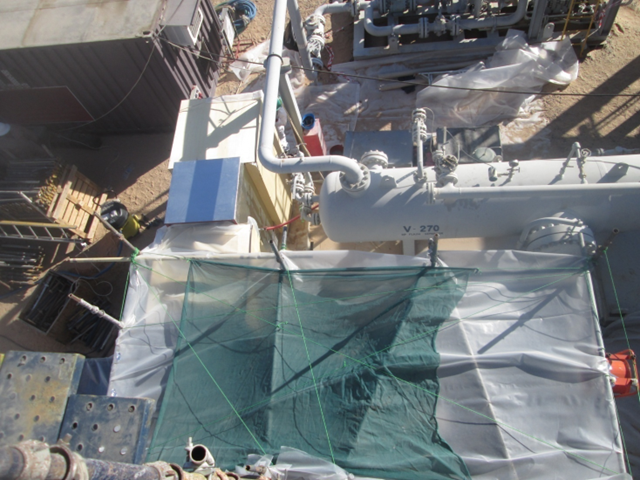
Top View of Temperature Regulated Area
Top View Verification

Verifying the complete setup from top view to ensure proper containment

03
Activated Carbon Removal

Safely removing activated carbon from the tank system

04
Waste Removal Process
Waste Removal

Systematic removal of hazardous waste materials from the tank

05
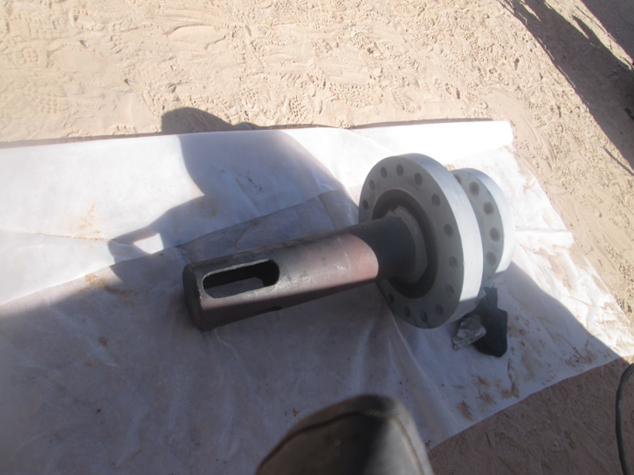
Feed Line Removal
Feed Line Removal

Carefully removing feed lines to access internal components

06
Feed Pipe Removal
Feed Pipe Removal

Removing feed pipes to prepare for internal cleaning and maintenance

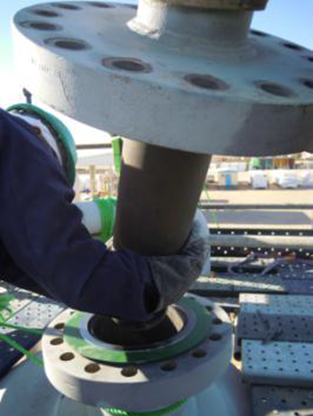
07
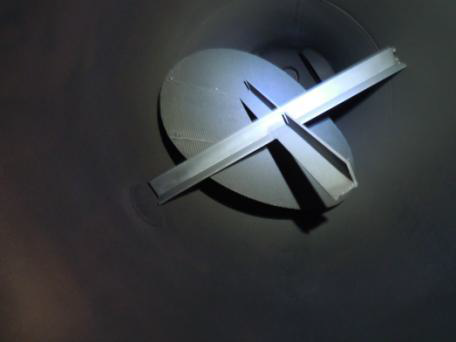
Cross Shaped Grid Positioned in Reactor
Grid Assessment

Identifying cross-shaped grid position in the middle of reactor

08
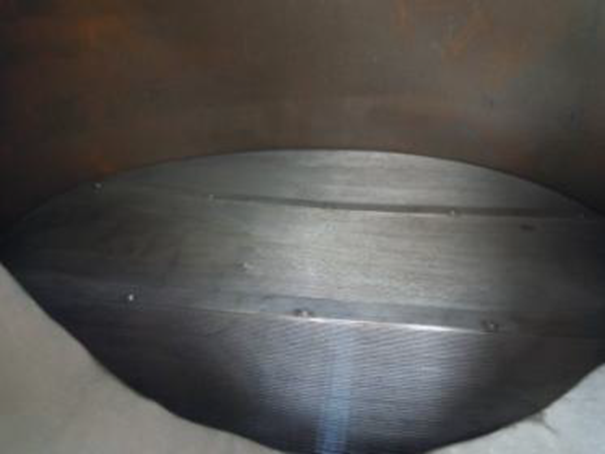
Grid Relocated to Correct Position
Grid Repositioning

Relocating the grid to its correct position for optimal operation

09
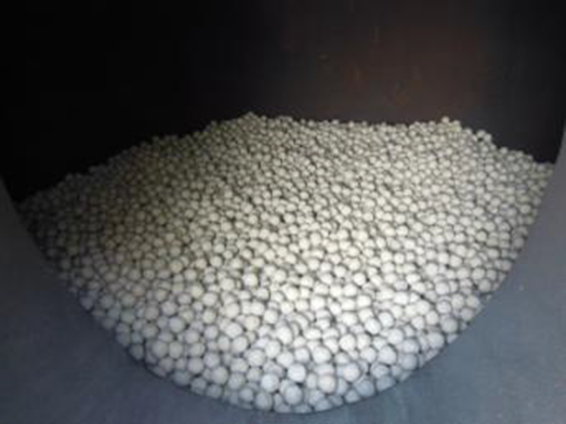
Loading Bottom with Ceramic Balls
Loading Ceramic Balls

Loading the bottom section with ceramic balls for filtration

10
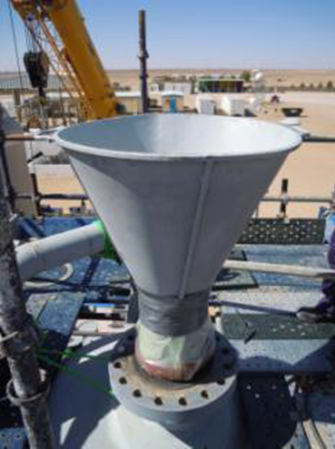
Cone and Bottomless Bucket Equipment
Specialized Equipment

Using cone and bottomless bucket for precise material handling

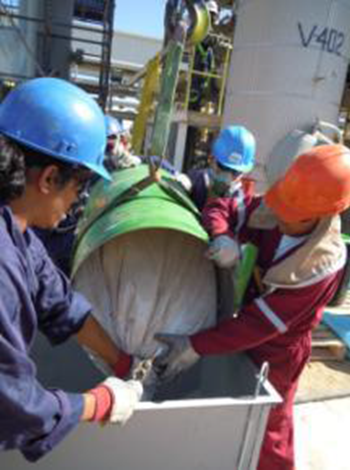
11
Loading Process
Material Loading

Continuing the loading process with proper safety protocols

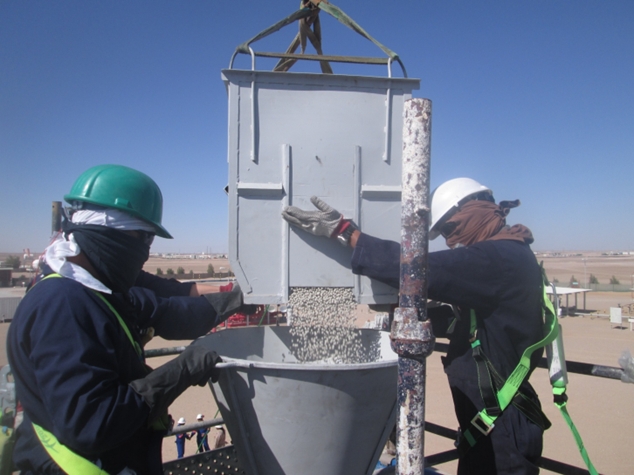
12
Hopper Assistance
Hopper Assistance

Using hopper equipment to facilitate efficient material transfer

13
Feed Stock Pipe Reinstalled
Final Reinstallation

Reinstalling feed stock pipe to complete the cleaning and restoration process